ven artists who enjoy a seemingly unstoppable imperial period eventually seem to encounter spells of turbulence when the creative planets no longer align – which has been the story of U2's last 20 years. Try as they might, nothing has matched their earlier albums – especially that mostly uninterrupted golden run from their 1980 debut Boy to 90s benchmarks Achtung Baby and Zooropa.
They've tried going more pop, becoming more experimental, touring 1987 colossus The Joshua Tree again and even reworking old songs for 2023's Songs of Surrender, but nothing has uncorked the genie again, or given the band the kind of relevance they had for so many years. Often, it felt as though they were trying too hard.
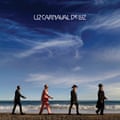
All of which makes their first album of new songs in almost a decade refreshing – a joy, in fact. With Larry Mullen Jr back on the drum stool after medical issues, the Dubliners sound rejuvenated: audibly thrilled to be playing together in a room again, brimming with confidence and ready to take on the world once more.
Having aired their politics in the Days of Ash EP in February, Bono has said their 16th studio album's return to "loud guitars" was designed to bring about "a more defiantly joyful feel to take on these anxious times". Opener Go (Carnaval de Luz) uses electronically treated guitars, a pounding rhythm and Brian Eno's synths to turn the notion of light in the darkness into the album's manifesto: "A carnival of light / Illumination is the way to fight this."
There are more spiritual references and metaphors here than on any U2 album in a long time, and if much of U2's recent output has seemed to fight shy of the classic old U2 sound, at times Carnaval De Luz embraces it. If there's a hint of Where the Streets Have No Name in the guitars of the not dissimilarly titled Street of Dreams, it's certainly no worse for that. Similarly, the monster rock-riffed La Reina sounds like a distant relation of Achtung Baby highlight Even Better Than the Real Thing, at least until the songs veers off somewhere else entirely, into a beautifully hymnal mantra. "Nobody is alone, but nobody knows that," sings Bono, in the manner of David Bowie's "Oh no love, you're not alone" coda on Rock'n'Roll Suicide, and just as effectively.
If the World Is at War We Better Not Be is another terrific song. It starts with Bono reminiscing about the band's beginnings at Mount Temple comprehensive school in Dublin in 1976 ("I was standing in the schoolyard / Waiting for you to happen to me") and subsequently becomes a sublime reflection on faith, belief and the power and preciousness of ordinary lives. Then there's the Eno-assisted The Greatest Show on Earth: a treatise on showbiz, organised religion, God and love packed with enough celestial guitar, bass and drums to suggest it will become a With or Without You-type live anthem.
Not everything hits such a high bar, but nothing lets the side down either. The driving Silencio is as convincing a punk rocker as it's possible to imagine from very rich men in their 60s. The Mirror Maker is a rather excitable but certainly fun call-and-response tribute to Catalan superstar Rosalía ("Mamaladyday! In your dancing we learn how to pray … Rosalía make the world go away"). In the ethereal yet rousing Superficiality, Bono hits notes that should put a chap his age in traction, as he sings "Freedom is a feeling, it's a feeling that I have around you."
The album has the usual bagful of trademark earnest Bono-isms like the above ("Don't you give up on your dream … and your dreams won't give up on you" is another), amid the broader light and darkness shtick. However, as with all their best stuff, the music is so epically impassioned and elevating that – to paraphrase another very early Bono-ism – it might not change the world, but it can certainly uplift anyone listening to it.
For a band often accused of bombast, there is a lightness of touch to songs such as Glorify that suits them. Similarly, Midnight Sunshine frets about an anxious world ("Time to take cover / In your bedroom or a bunker") but within one of their sweetest, loveliest pop songs. The album's only slightly downbeat moment is the closer, Torn, a hymnal duet between Bono and the late Dolly Parton. With Daniel Lanois on otherworldly pedal steel, the country legend uses her last ever vocal performance to send a powerful message to the divided world she was about to leave behind: "Nothing hurts a mother more / Than a family at war."
The material from their two EPs this year only appears on the album's deluxe edition: a shame, as the outstanding songs – American Obituary, The Tears of Things or In a Life – would have propelled Carnaval de Luz even further into the most exalted reaches of their catalogue. Maybe they didn't suit the flow. Even so, this is some of the band's best work in more than 30 years.