hat was the first photograph you took? Though most of us use cameraphones every day, few think about how the habit started or even why we choose the pictures we keep. Photography is one of the most popular hobbies in the world, typically picked up in childhood, but its impact – particularly pre-smartphone and digital imagery – has not been much studied. This lapse fascinates Annebella Pollen, professor of visual and material culture at the University of Brighton.
"My generation is used to being asked: 'What was the first record you bought?' Music is seen as a key part of identity formation, but what if something similar crystallises when we handle a camera?" she asks. "I certainly remember my first photos, because they coincided with me falling in love, as a 10-year-old, with a beautiful boy at school. I pursued him with my camera."
Pollen's question sent her down a rabbit hole into the fascinating history of a pastime that says a lot about how we see children and how they see themselves. As well as photographic museums which, understandably, have pretty limited archives of kids' photography, she went through marketing campaigns, school records and photography books and magazines written for children. She also looked at social projects from the 1930s to the present day which gave cameras to children to help them develop personal skills and careers.
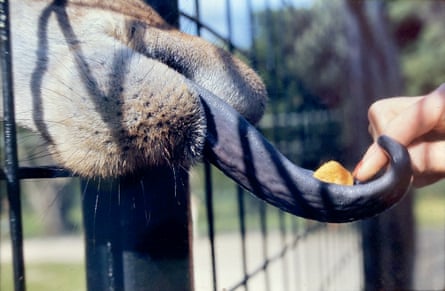
It's a story that she tells in her new book Whippersnappers: How Children Became Photographers and in the exhibition Snap Happy! at The Photographers' Gallery in London.
Of course, AI, apps and the ubiquity of cameraphones bring many new risks to photography, but Pollen's historical research is a reminder of its benefits. As she says: "It can give children an accessible means of communication and autonomy; offering a space to try out tastes and identities in nonverbal and low-stakes ways. It lets you curate a complex, bewildering world into still scenes."
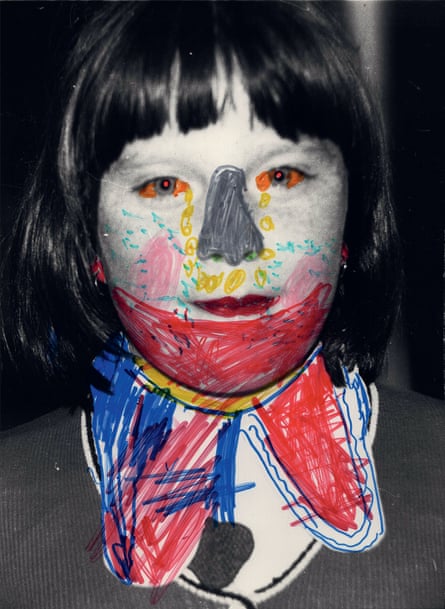
Technological advances in the 1900s meant photography transformed from an expensive and laborious hobby for the wealthy to an accessible diversion for the masses. As equipment became portable and easier to use, cameras were marketed as so simple a child could use them. The idea really took off: receiving your first camera became a landmark childhood gift, like a first bike or watch, and there was a strong investment by schools in photography clubs.
While public schools may have had darkrooms and equipment from the late 19th century onwards, the Scouts offered a photographer badge from 1910 and by 1933 boys' social clubs in east London were offering photography classes.
"Looking through school photography club archives," says Pollen, "you see that long before smartphones children were sneaking cameras into class and taking clandestine photos of their teachers; I found examples going back to the 1950s. Similarly, kids have photographed their pets for more than 150 years – from eagles owned by Etonians to terrapins in 1960s tower blocks."
Paul Carter, who ran a social outreach and community programme called Blackfriars Photography Project in 1970s London, brought together a diverse group of children and volunteers in his darkroom, but he still found that what kids really wanted to shoot was friends, family and pets. Even when he organised trips to the countryside, no one wanted to shoot the rural landscape.
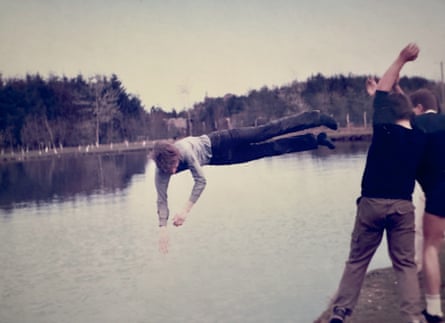
Children may have remained steadfast in their photographic interests, but changing cultural attitudes were everywhere in Pollen's research.
"In the earliest days, photography was a privilege; those who had access to expensive specialist equipment were those with time and money," she says. "These children were expected to act as apprentice adults and their photographic views were not meant to communicate anything childish. By the mid-20th century, children's photography was expected to be distinctive: a fresh perspective – a new youthful interpretation of the world. But now what they are deemed to be capable of has diminished in some ways, and there's increasing fearfulness about their image-making practices. Some adults now view photographic production as risky. Children are increasingly perceived to be putting themselves in danger by making and sharing personal imagery.
"In the early 20th century, however, photography was considered healthy and engaging; it was promoted as outdoorsy and a form of productive leisure. Photography was described as unselfish rather than narcissistic."
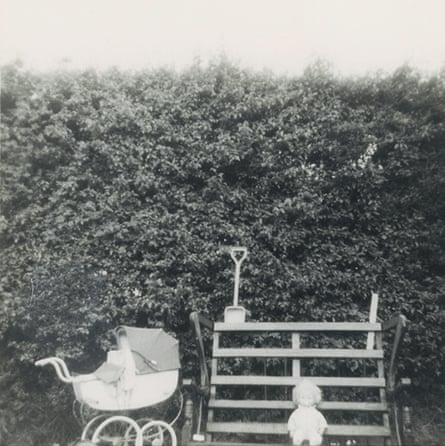
Pollen says that adults use their value system in a slightly arbitrary way when assessing children's creativity. So child actors or musicians are applauded and the art world often reveres children's drawing or painting as somehow unadulterated, but the same respect is rarely offered to photographers. Probably rightly so in the case of 18-year-old Brooklyn Beckham's 2017 coffee-table book What I See. But there are surprisingly few really young British photographers who've enjoyed critical acclaim.
Jacques Henri Lartigue is a notable exception: his pictures of family taken during his childhood were described as "one of the most moving experiences of my life" by Richard Avedon. Elsewhere, American names such as Ryan McGinley, Petra Collins or Mike Brodie found fame for their teenage photographs, partly because they documented subcultures or showed unique pictures of worlds that adults couldn't enter.
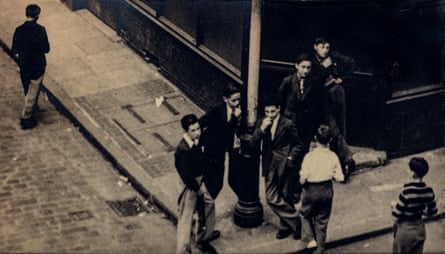
One of the most fascinating chapters of this history is the use of cameras and photography as a tool of social inclusion. Since the 1930s, cameras were bestowed on the needy as a form of betterment or as a potential career opportunity. All of these schemes were well-meaning and many had a positive effect on the kids, volunteers and photography teachers who took part. The 1990s brought a boom in projects that wanted to document how children saw the world, such as Kodak's research and development report in children's photography.
"These kinds of projects were affordable and low-risk for the organisers when disposable cameras became available," says Pollen. "They've been utilised by artists and journalists, sociologists and charities. The claims made for them are sometimes very ambitious even if the platform they offer children is brief. Most were temporary moments of engagement, and the organisers moved on and the children grew up. Photography can be a powerful tool for communication, but it can't change inequality."
The Photographers' Gallery show focuses on postwar children's photography and the marketing push to bring a camera into every home during the 1950s. Clare Grafik, head of exhibitions at the gallery, hopes the show will reveal how children shape visual culture.
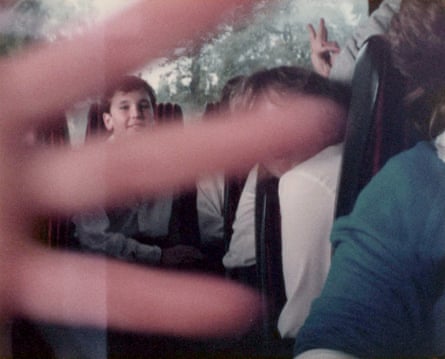
"[The exhibition] is an invaluable opportunity to think about young people's relationship to photography, in a way that many people will relate to," she says. "How young people have interacted with photography tells us a lot about changing societal norms and how children shape by developments in technology and visual culture. It also helps us understand more about how the groundwork was laid for young people's interaction with image-making in the digital age."
Pollen's fascination with photography is personal as well as academic. She became interested as a "broke single parent" who spent a lot of time at car-boot sales which often included old family photo albums. "Photos taken by children might seem a niche interest," she admits, "but it is actually a mass practice. Everyone with a smartphone has a camera in their back pocket, and children's smartphone usage is growing. The latest study shows that 99% of 15-year-olds own one and 25% of three and four-year-olds. These children grow up with photographic tools at their fingertips; they are making photos as soon as they are able to swipe. I see kids pointing their phones everywhere, all the time. Even before smartphones, most of the population has had access to a camera over the last 50 years. Everyone starts somewhere."