Last February, Jennifer Wilkinson took a bold step by stepping into the role of Chair of Pride Alliance, affinity group for LGBTQ+ colleagues and allies. Pride Alliance exists to support LGBTQ+ inclusion, foster community, and champion a workplace where everyone can show up authentically.
In this interview, she reflects on her journey toward understanding her sexual orientation and embracing her identity. You can read more about Exolum and their continued DEI efforts here.
Q: How did you come to understand your sexual orientation?
Jennifer: I realised I was bisexual when I was around 14 years old. At that age, I didn’t necessarily have all the language or confidence to fully understand it yet, but I knew that the feelings I had didn’t fit into what I had always been told was “normal.”
Growing up, there wasn’t a huge amount of bisexual representation around me, so it took time to process my identity. I felt like I didn’t fit in the world when I was younger. I grew up in a very traditional family. Over time, I came to realise that I don’t have to fit neatly into other people’s expectations. Understanding my sexuality became less about labels and more about accepting myself honestly and fully.
What was coming out like for you, and how did it shape your life?
Coming out was emotional and honestly quite scary.
I came out to my family a few years after first realising I was bisexual, and even though I hoped for acceptance, there’s always that fear of being seen differently by the people you love. I am lucky my family were very supportive.
Then later, I very publicly came out during my reign as Miss Great Britain and it was another huge moment in my life. I knew that choosing to be openly bisexual in such a visible role would come with attention, opinions, and vulnerability.
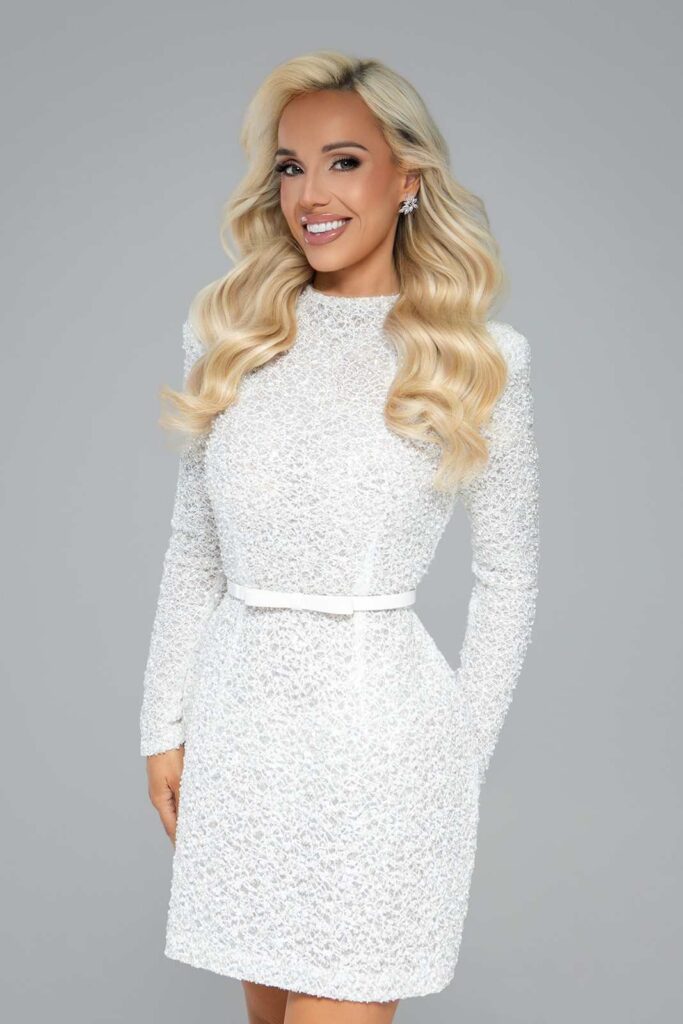
It shaped my life by allowing me to live more authentically and use my platform to help others feel seen. The response from people who said they finally felt represented or less alone reminded me why visibility matters so much.
What challenges have you encountered because of your identity? What helped you stay grounded during difficult moments?
One of the biggest challenges has been dealing with assumptions and invisibility.
Bisexuality is still widely misunderstood. People often assume your identity based on who you’re dating, or they treat bisexuality as confusion rather than a valid identity in its own right.
As someone involved in pageantry, there were also stereotypes attached to being a “beauty queen.” Some people struggle to understand that femininity, leadership, advocacy, and bisexuality can all exist together.
What kept me grounded was remembering why visibility matters.
The messages I received from people who felt represented reminded me that being open about who I am could genuinely help others feel less alone.
I have been very lucky to have such a supportive network in my life and this is why I hope Pride Alliance will be successful, in case someone doesn’t have the support I had.
Are there stereotypes or misunderstandings you wish people would let go of?
Absolutely. I would love people to let go of the idea that bisexuality is “just a phase” or that bisexual people are confused or need to “pick a side.”
Bisexuality is a valid identity, regardless of who somebody is dating or how they present themselves.
What moments made you feel proud of who you are?
One of the proudest moments of my life was publicly coming out during my reign as Miss Great Britain. Being so open in huge tabloids such as The Sun, The Independent and OUT magazine was terrifying at times…but it also became one of the most empowering decisions I’ve made. The amount of messages I received from people telling me they felt seen was incredible. I helped a lot of people from that brave move and it makes me feel so proud.
I’m also incredibly proud of chairing Pride Alliance at work. Creating spaces where people feel safe, included, and represented is something that means a lot to me.
What would you tell someone who is just beginning their own journey?
I would tell them that there is no timeline for understanding yourself.
You do not need to have everything figured out immediately, and you do not owe anyone an explanation for who you are.
What do you hope for your future, personally or for the LGBTQ+ community?
Personally, I hope to continue creating positive change through visibility, inclusion, and leadership… I especially hope the Pride Alliance changes our workplace for the better and I will do anything I can to make that happen.
For the LGBTQ+ community, I hope for a future where authenticity no longer feels brave — it simply feels normal.
A future where bisexuality is fully recognised and respected.
And a future where workplaces, schools, sports, and society as a whole genuinely celebrate diversity instead of simply tolerating it.
I think we are making progress, but there is still work to do. And I believe every conversation, every act of allyship, and every person willing to live openly helps move us closer to that future.
is a proud partner of , the LGBTQ+ business community. Find out more about LGBTQ+-friendly .