TV's landmark 7 Up documentary series has launched its final outing after 63 years. The show started following the lives of 10 boys and four girls in England when they were seven years old, and has returned every seven years since.
As the final season 70 Up reaches its conclusion, seven people tell us what it has meant to them over the decades – along with pictures of themselves contrasting their appearance now with their childhood selves.
'Life is a sum of experience, even if seemingly mundane'
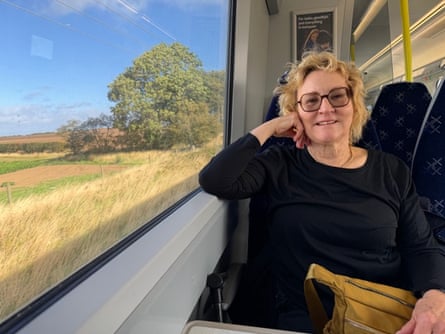
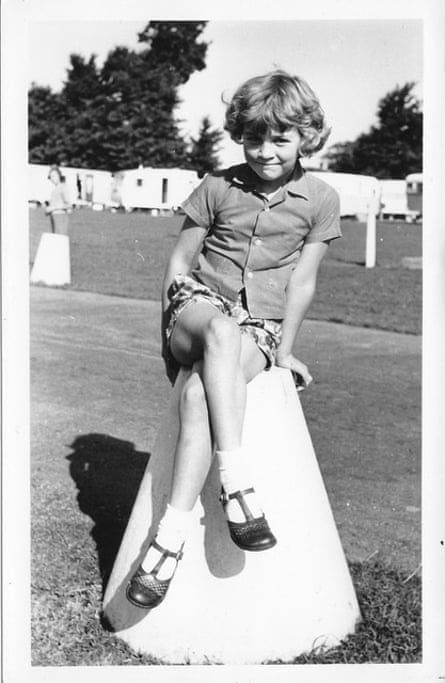
The sadness of Suzy as a teenager and seeing her become more content and confident was a standout moment. As was Bruce becoming a "missionary" in his own way by teaching. And, of course, Neil, whose life has often been troubled but is probably the most interesting. It has been a privilege to be able to compare myself with the participants and look at my own journey. It has made me realise that life, whether you're rich or poor, is a sum of experience, even if seemingly mundane. In many ways, it's not education or privilege that makes life interesting, but what you do with opportunities as they present themselves. The most engaging characters have been those who have challenged themselves, pursued an ambition or who have had difficulties to overcome.
'Deeply moving'
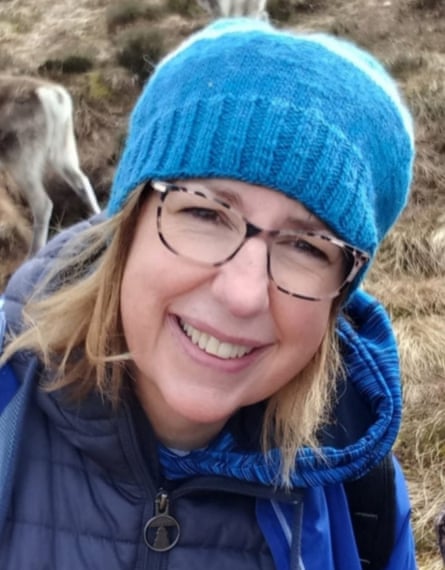
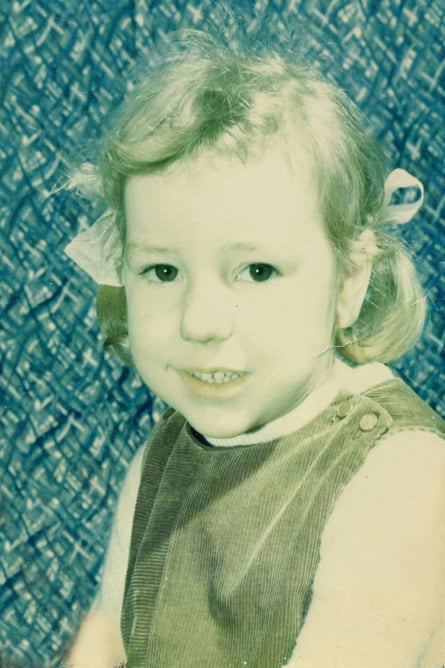
That Neil, who was the most adorable, magical-thinking seven-year-old, would have mental health crises had a deeply moving effect on me. His challenge was one that could have affected any of the participants, regardless of class and background. And Nick achieved so much despite relatively humble beginnings but gave one of the most impactful statements – that the birth of his son was his greatest moment. As the series progressed, it seemed that the real measure of success was not academic or material achievements after all, but familial love and finding peace.
'The series fired my imagination'
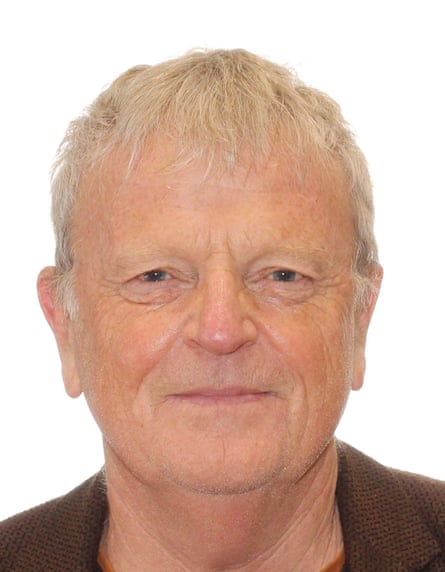
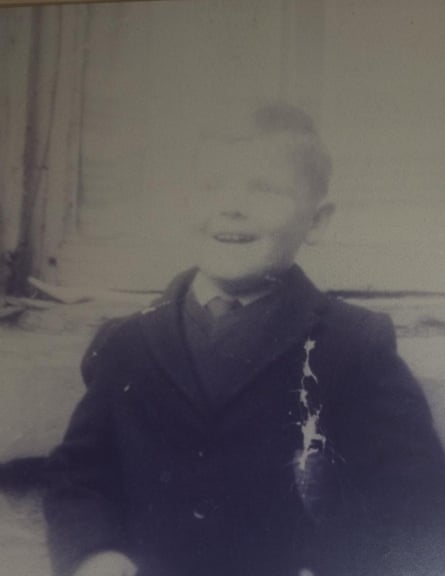
It was Bruce I related to most. His disposition, his search for meaning. I was an overseas volunteer and related strongly to his search for local connections later in his life. Different, but the same. The series changed my life. I first encountered it through a sociology of education class, as part of a graduate diploma I was studying part-time in the evenings, while working as a science teacher. I was from a working-class background and had no idea what sociology was when I left school. The Up series fired my sociological imagination; I retrained and became a sociologist and anthropologist because of it. It was exciting in the ways it helped explain myself to myself, as well as the broader world in which I lived. My research focused on education and I have written a number of papers focused on the structural and cultural effects of class on life trajectories and the choices people make.
'The best TV series ever'
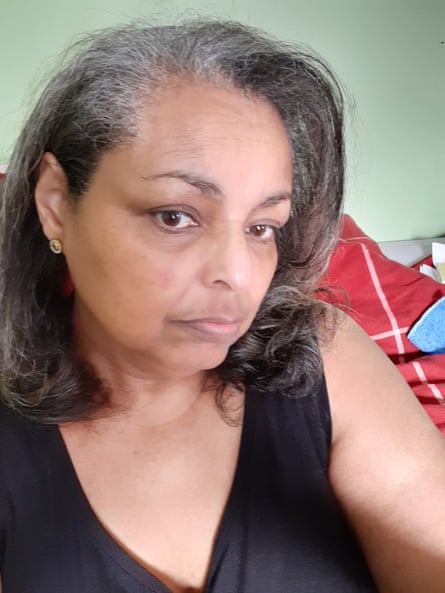
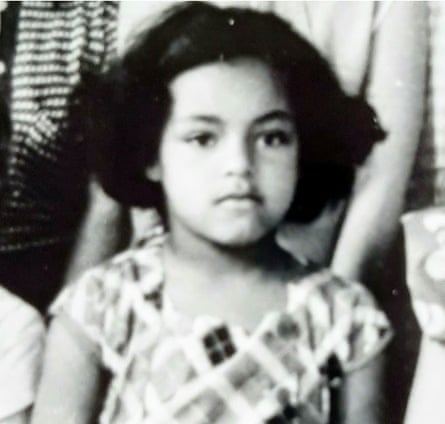
I've watched the whole series. It resonated with me because I am of a similar age. I was not surprised to see that the girls seem to have a lesser part, with emphasis during interviews on their roles as wives and mothers, rather than their careers. I experienced the same kind of thing. I think the teenage years showed a lot of vulnerability in girls who wanted to appear grown up to the world. I believe it is the best TV series ever, showing how times have changed from the 60s to the present and the progression through a person's life. I think perhaps every seven years it should be repeated in its entirety, with tributes to those involved who have passed.
'Unexpectedly overwhelming'
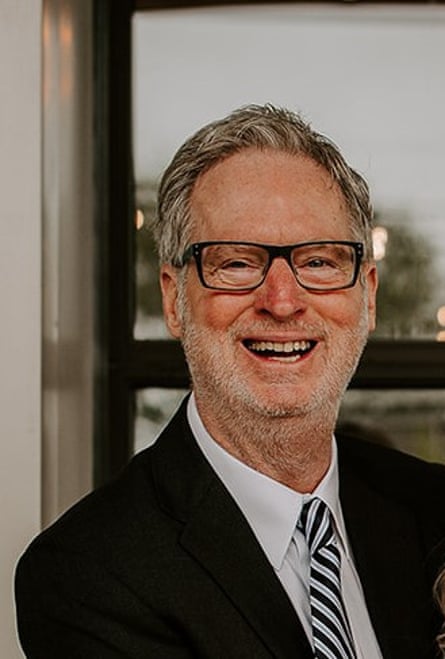
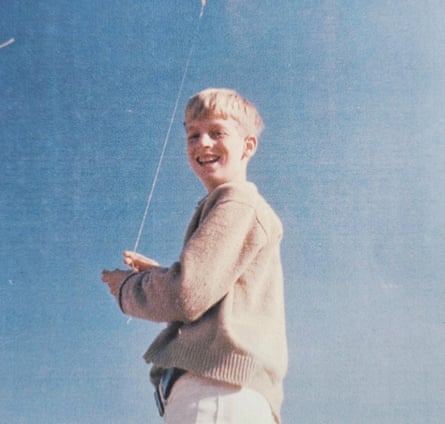
Watching 70 Up has been unexpectedly overwhelming. I have found myself weeping after almost every scene. Over the past three years, I have lost several close friends and family members, so grief is always near the surface. The series brings back not only the years that have passed, but also what was lost, what endured and what was learned along the way. When I started watching in 1975, documentaries were almost absent from commercial television in the US. It was intimate, patient and honest about ordinary lives. It showed that a person's story could unfold slowly, with all its disappointments, contradictions, resilience and surprise.
That recognition changed the arc of my life. I became a documentary photographer and producer, winning 18 regional Emmys. My work has often focused on people who were overlooked, marginalised or simply not often given the space to be seen. Documentary work kept me grounded through hard periods in my own life. I will always be grateful for what the series gave me: a belief that ordinary lives are never ordinary when someone has the patience and compassion to keep looking.
'As I grow older, I identify with the participants more and more'
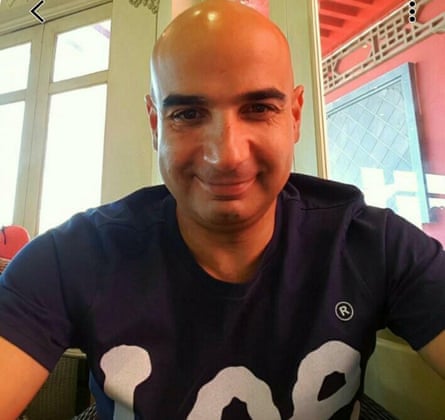
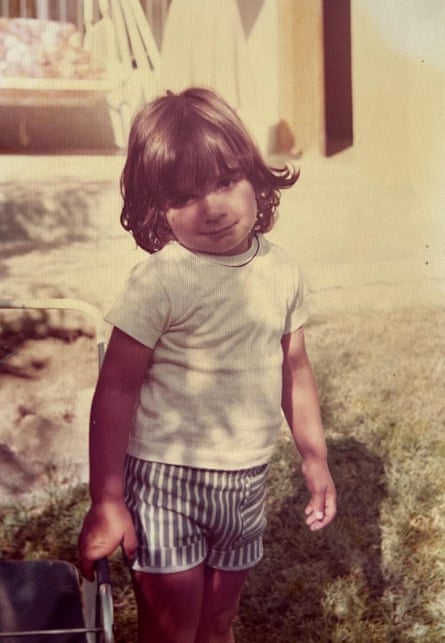
I most identify with Paul, who is first seen at the foster home and establishes a family of his own with his lovely wife in sunny Australia while remaining the sensitive, gentle and intelligent boy he was when we first saw him in 1964. He struggled with his self-confidence, even though there was no apparent reason for that, and bravely acknowledged it as an ongoing issue. I would have liked to have been his friend, had I been a seven-year-old there with him back in 1964.
I first heard of the series about eight years ago, through a Roger Ebert book where he marked it out as the best documentary he had ever seen. I watched all the episodes on YouTube over two weeks just in time for the 2019 release and it was amazing to see the children grow into middle age. By pure luck, I also got a chance to see [the now late director] Michael Apted and his wife in Dubai who were here for a movie showing at that time. As I grow older, I identify with the participants more and more while also noticing what different lives we all lead but with the same, shared core of wanting to spend our limited time as best as we can. If only we knew how.
'I became a documentary film-maker in my 20s and the 7 Up films set a gold standard'

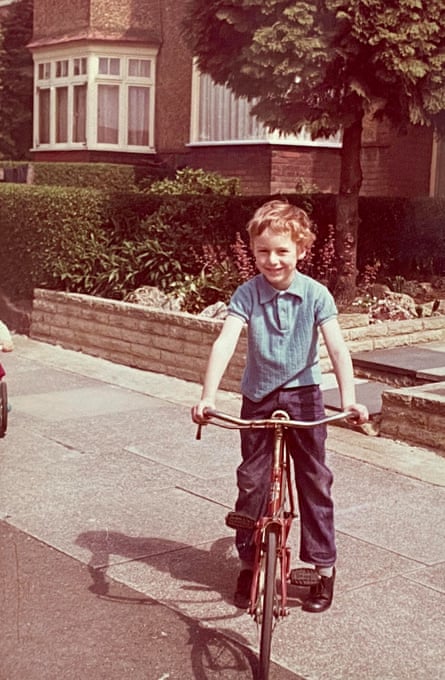
In 1970, when I was seven, my brother and I went to a Jewish summer camp. I cried for the first few nights missing my parents and home. In the first week, the original 7 Up film was shown on a noisy film projector and I sat transfixed, watching these other seven-year-olds from such a different world to my sheltered religious Jewish bubble. I continued to seek out the following films wherever I lived and catch up with these familiar children, who were like friends that were always seven years ahead of me in my own life journey. With the edit back to their younger selves, I could understand how the little boy and girl can still be seen in that grown up. I became a documentary film-maker in my 20s and the 7 Up films set a gold standard for me to have a deeper connection with interviewees, and where possible maintain contact with them.
In 2018, at the Sheffield documentary festival, I met Michael Apted and told him that the 7 Up films had influenced me to become a documentary film-maker. In his intense, inquiring questioning style that I recognised from all those films, he flashed back: "And how is that going for you?" The truth is that by then my career in films had petered out and I had retrained as a psychotherapist. I am now 63 and I still enjoy the deeper connection with people, helping them to explore and shine a light on how our past still plays out in our adult lives.