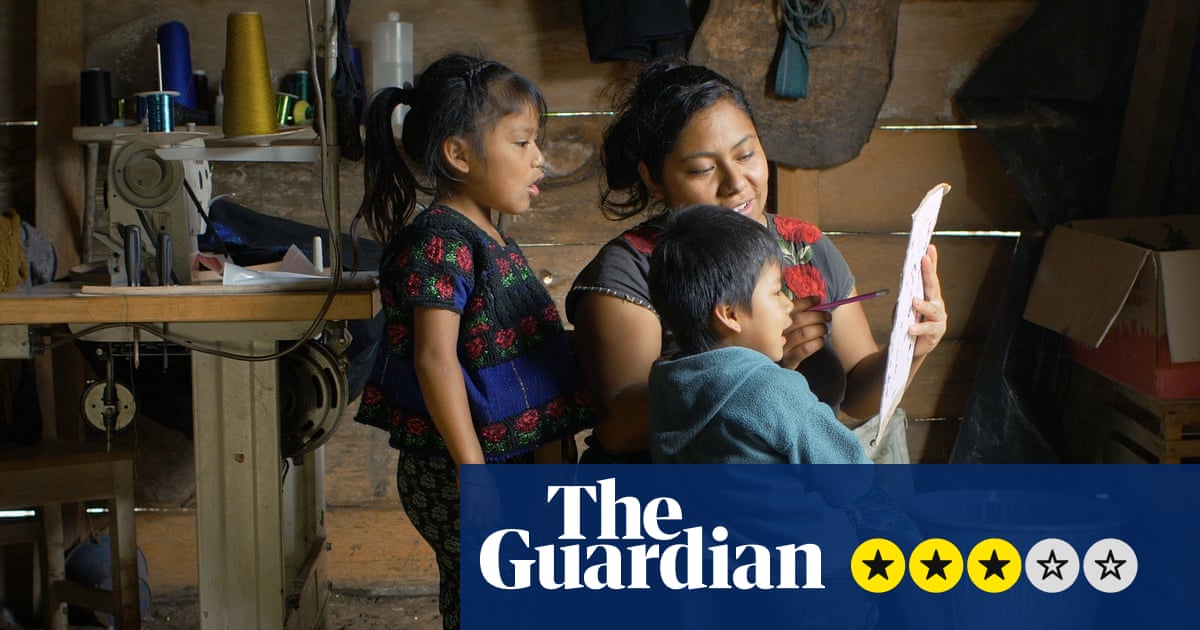
hot in her home village of Naranjatic Alto in the Mexican highlands, Ana Ts'uyeb's documentary debut is a stirring ode to the courageous women of the Indigenous Tzotzil community. The film centres on three important figures in her life: her mother, Margarita; her aunt, Juana; and her sister-in-law, Faustina. Each is from a different generation, yet they have all suffered at the hands of patriarchal violence.
The patterns of systemic abuse and disenfranchisement are startlingly similar. All three women recall past opportunities to advance their education, hopes and dreams that were squashed by fathers and other male relatives. Also rampant are physical and psychological abuse. There's a sobering matter-of-fact tone to their reminiscence; their unfortunate experiences appear to be a common reality endured by many Tzotzil women.
In place of conventional sit-down interviews, Ts'uyeb dynamically captures her subjects at work, lending a dose of cinematic poetry to everyday rituals. From weaving cloth and sieving grain to the back-breaking toil of harvest, these diaristic vignettes not only speak to a collective resilience but also act as a visual archive of Indigenous customs and traditions. Previously exploited for their labour but excluded from land inheritance, these brave women can now pour their blood, sweat and tears into their own land, thanks to the Zapatista movement.
Unfortunately for those unfamiliar with this Indigenous-led insurgency, the film doesn't provide much context around Zapatista activism over land reform. But despite this lack of background, the focus on the women's interior lives still packs an emotional punch. In one moving scene, we see Margarita clear an uneven path ahead of Ts'uyeb with great tenderness. It seems that years of generational trauma may have finally come to an end, and a new future awaits the women of Naranjatic Alto.