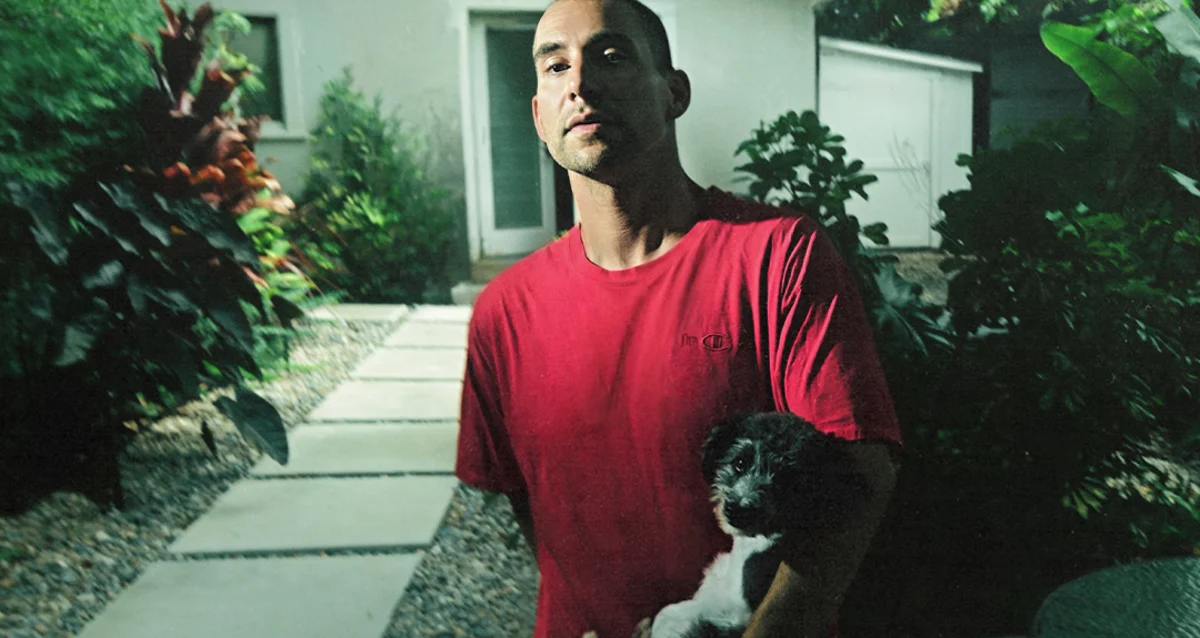
This frenetic, livewire energy so essential to Bleachers is also an essential quality to Antonoff’s creativity. “Well, I think nerves and anxiety come from hope, right?” he says. “You want to stay like a baby looking at the sky.”
His child-like curiosity has never dulled, and it’s this headfirst immersion in the music which goes some way to answering why Antonoff is so favoured by pop’s greatest heroines. “I’ve never worked with anyone,” he insists. “I just see it as flying a plane together.” When recording , Lana Del Rey noted in an interview how relaxed the process was: "Some days I would come in with something fully formed, and some days Jack would have a couple of chords that he really wanted to play for me. And some days we had absolutely nothing going on and we just would sit around and kind of work on stuff for him... or just hang out.”
Lorde had practically moved into his home studio apartment during the turbulent growing pains of , and there was an unspoken musical shorthand between Antonoff and St. Vincent because between the two of them, as multi-instrumentalists, they could play anything. “Making records is hard enough,” he says, “and whether you should be making it with someone else is the easiest decision to make in the world.”
Antonoff’s latest work as a producer is Phoebe Bridgers’ long-awaited new album working alongside Alex G, Tony Berg and Ethan Gruska; the record has been met with some of the highest praise of her career. Antonoff is characteristically aloof about sharing any details of its creation. “I don’t like talking about stuff when it’s too fresh,” he says. “Because I like it to hit the world as out of context as possible, especially nowadays. I like to talk about albums when they’re really, finally cooked. I never really talked about making the Kendrick album, and maybe in a few months it will have been long enough to start talking about it. But you really want it to live, especially the way people are these days where there’s this useless need to understand something right away. I don’t want to play any part in it. I want to just let it float and colour in the mysteries later.”
If the future of pop excites him, Antonoff is, again, wilfully vague. Though the barrier of entry for making music is lower than ever, he counters that by that same token the barrier for great music is higher than ever. “The future in general is becoming harder and harder to imagine, for better or worse, which is strange. But I believe there’s a future, and I’d like to be a part of it,” he answers. “But I can wholeheartedly comment on the people I know, love and care about – myself included – and our desire is more intense and more real than ever.”
I wonder how he keeps his humanity, and his wonder, intact. “I mean, for all the fucking wellness industry explosion pointing to the air, the water, your diet – it’s not that, it’s community," he replies. “That’s what keeps people alive. That’s what keeps people happy. That’s what keeps people feeling like there’s a reason. My community has been about music since I was a very young person, and I don’t intend to change that.”
He describes finding his community, his fans, like going to a new high school and looking around and, at first, no one relates to you: “And then, all of a sudden, you see one person who has some characteristic – whether physical or not – and you’re just like, ‘Oh, I know you.’” Though his band’s listeners are in the tens of millions, it’s still the cafeteria table. And you’re welcome to sit with them. “I know them when I see them,” he says of his audience. “I don’t know if I can describe it, but they’re on the edge of something and I’m right there with them. You really weed out anything casual when you’re pretty direct, and I relish that. There’s something really powerful to me about articulating who my people are on this album. It’s almost like planting a flag you can’t unplant.”