he new Netflix adaptation of East of Eden largely sticks to the plot of the John Steinbeck novel. There are tweaks – the introduction of a wedding photograph, for example, which becomes a significant item – but otherwise, it is faithful to the book. That is, in terms of the plot. There has already been some discussion about what it has done to Cathy Ames, played with considerable ferocity by Florence Pugh. Cathy, who later changes her name to Kate, kills her parents by burning down the family house. She shoots her husband, Adam, and leaves her baby sons wailing and alone. She slowly poisons the brothel madam Faye, a woman who acts as a mentor to her and treats her as a daughter, while simultaneously tricking her into leaving her everything in her will. In the book, Steinbeck lets Kate reflect on killing Faye. She finds that she has "no feeling" about it at all.
She is a brilliant, brutal character, but on television, she becomes something else: complicated. Her cruelty remains intact, but Pugh and showrunner Zoe Kazan have fleshed her out and given reasons for her fury. They invent a scene that implies Cathy was abused as a child by two men in the woods, and when she takes her final bow, the series returns to this moment in flashback, suggesting that her campaign of destruction has been shaped by a life of trauma and pain. In Steinbeck's hands, Cathy is cold and unfeeling. In the 2020s, Cathy is more sympathetic and less of a brute.
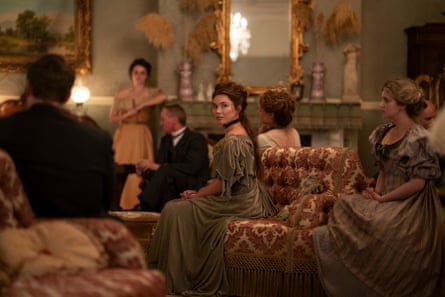
But Cathy isn't the only character to be treated with softness. In the novel, Charles Trask, like Cathy, is violent and vicious. Early in the story, Charles beats his brother Adam almost to death, then returns with a hatchet with the intention of finishing the job. Adam survives only because he manages to roll his body into a ditch, where he hides until Charles gives up and goes away. On television, this scene, so chilling in the novel, is shortened to a beating, and a tearful Charles is shown to be full of remorse. He is lonely, lost and lovelorn. He is not really a brute either.
It is strange that, in an era where hostility and anger feel par for the course, whether online or in public discourse, there is a need to soften fictional characters who might otherwise be treated as pure villains. It also happens in Carrie, the latest take on Stephen King's first horror novel, which has been turned into an eight-part series by The Haunting of Hill House's Mike Flanagan. While heartfelt and gracious, its two main baddies have been entirely defanged. Famously, Carrie is driven to take bloody revenge on her school bullies and her fanatical mother.
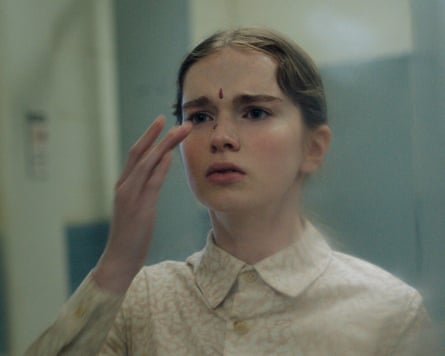
In Carrie, the 2026 edition, there is bullying, though it takes root on social media, and there is fanaticism, though this becomes a fixed belief in anti-government conspiracy theories. Here, Carrie's main tormentor, Chris Hargensen, has been given a terrible home life and neglectful parents. Carrie's mother is a formidable force driven by misguided morals but with a fierce love for her daughter. Both of them do bad things, but they are no longer allowed to be bad people. It is empathetic all round, but it lacks the snarl and bite of a horror classic.
You can see it again in the recent glossy legal potboiler War. It probably depends on the podcasts you prefer, but there are few people who would still see billionaires as anything other than Dr Evils with a Mars-colonising complex. Not so in War, where Dominic West plays an investment banker turned social media mogul called Morgan Henderson. Henderson is divorcing his movie star wife, Carla (Sienna Miller), whom he has cheated on in the past. But Henderson, a billionaire, just doesn't seem all that bad. He made his fortune by building a "nice" social media platform. He hides his assets and allows his legal team to play dirty, but only because they told him to. He writes sad, heartfelt letters to his ex. By the end of the series – spoilers ahead – he realises that they don't need the courts, because they can just work it out, fairly and amicably, between themselves, because they're just not awful people.
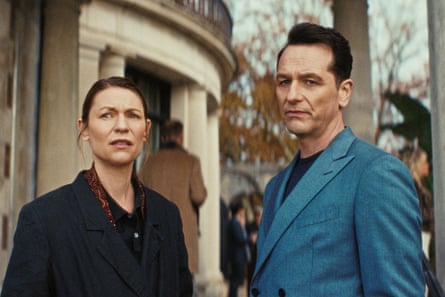
War is highly entertaining, but it could have been even more entertaining if it had let rip. Instead, like Carrie, it is too open-hearted to be vicious, preferring instead to give everyone a shot at redemption. This is not a bad thing, of course. It suggests that we are more receptive to empathy and redemption, and more open to kindness, if only in the realms of fiction. But if this softer touch is the direction of travel, television might be getting that bit less fun. Matthew Rhys won one of his Emmys for The Beast in Me, in which he plays an amoral, unrepentant sociopath. It might not have been one of the all-time greats, but it was deeply enjoyable, in part because Rhys's character was so unapologetically evil. Sometimes, hate-watching is cathartic and necessary. Despising an antagonist who only behaves badly because they need more love in their life is less enjoyable. There's no joy in rooting against a villain when you're forced to feel bad about it.